.png)
Navigating the Economic Landscape of Sub-Saharan Africa: The Influence of Global Institutions

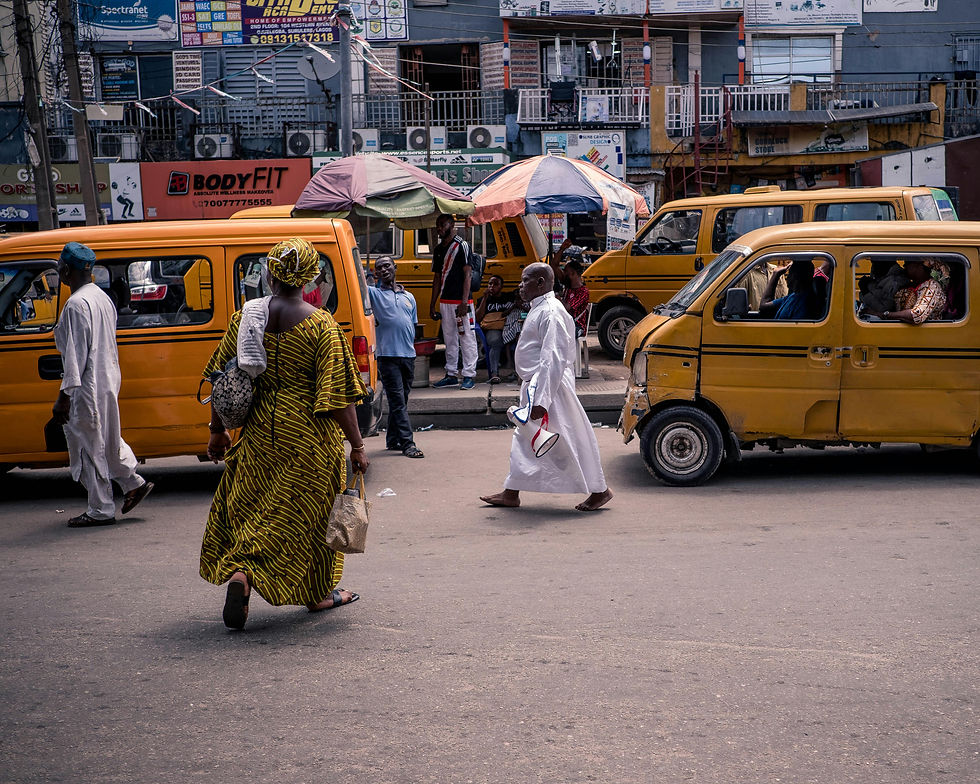
Sub-Saharan Africa stands at a critical juncture, poised between immense potential and persistent economic hurdles. With its vast natural resources, a burgeoning youthful population, and increasing prominence in global economic discussions, the region represents opportunities and challenges. At the heart of this balancing act are the Bretton Woods institutions—the International Monetary Fund (IMF) and the World Bank—whose impact on economic strategies in Sub-Saharan Africa is both profound and contentious.
This article explores how these global financial institutions have shaped the economic trajectories of Nigeria, Kenya, and South Africa, three pivotal economies in the region. By delving into their unique stories, we gain insight into the broader interplay of external influence and local resilience in Africa's economic narrative.
The Legacy of Bretton Woods in Africa’s Economic Story
Established in the aftermath of World War II, the Bretton Woods Institutions were designed to stabilize global finance and promote reconstruction. Over time, their focus expanded to supporting developing nations, including many in Africa. While their intentions align with fostering growth, their policies often spark debate about the balance between global economic norms and the unique needs of local economies.
Sub-Saharan Africa faces pressing challenges: significant debt, political instability, and infrastructure deficits. Despite these, the region boasts untapped potential in its natural resources and youthful workforce. The IMF and World Bank step in with financial support, technical expertise, and policy guidance, but their influence raises questions.
Do their strategies empower or constrain Africa's ambitions for self-reliant growth?
Nigeria, Africa’s largest oil producer, exemplifies the paradox of resource wealth and economic vulnerability. Despite its vast oil reserves, nearly 100 million Nigerians live on less than a dollar a day, and the country’s external debt of $36 billion highlights its fiscal struggles, exacerbated by oil price fluctuations and governance issues. The IMF and World Bank have been crucial in stabilizing Nigeria’s economy, with the World Bank investing $12.2 billion in poverty alleviation and infrastructure projects between 2021 and 2024. However, these efforts come with conditions, such as subsidy removals and fiscal discipline, which, while necessary for long-term stability, are politically and socially challenging. Nigeria’s economic future depends on diversifying beyond oil and balancing external support with local priorities. Similarly, Kenya’s economic development reflects its strategic alliances, especially with the United States. The World Bank has invested $7.8 billion in projects like the Kenya Urban Support Program, which aims to modernize cities. Kenya’s IMF-backed reforms focus on fiscal discipline and infrastructure growth, but rising debt, climate change, and inflation present ongoing risks. Critics argue that privatization and market liberalization deepen social inequalities, making it vital for Kenya to balance external influences with the needs of its vulnerable populations. South Africa, the continent’s most industrialized nation, faces a unique challenge with its dual affiliations to both BRICS and Bretton Woods institutions. The World Bank has supported South Africa’s reconstruction and green energy transition with nearly $2 billion in loans, while BRICS’ New Development Bank offers financing with fewer conditions. This dual relationship enables South Africa to diversify its economic strategies, but challenges like high unemployment, energy crises, and inequality remain. The country’s success will depend on harmonizing its relationships with both Western and emerging economies to achieve sustainable and inclusive growth.
The Road Ahead: Balancing Dependency and Autonomy
Nigeria, Kenya, and South Africa showcase the varied outcomes of Sub-Saharan Africa’s reliance on Bretton Woods institutions. While these relationships have spurred infrastructure development and economic reforms, they often come at the cost of local autonomy and social equity. The way forward demands a nuanced approach:
Economic Diversification: Reducing dependence on single-resource economies like Nigeria’s oil reliance is critical.
Local Empowerment: Policies should address social inequities and prioritize education, job creation, and governance reforms.
Sustainable Partnerships: Africa’s leaders must negotiate terms with global institutions that align with their long-term goals.
For Sub-Saharan Africa, success lies in embracing its unique strengths while leveraging global support responsibly. The region's economic future depends on strategies that empower its people, reduce inequalities, and assert autonomy in a globalized world.


Comments